First, write what you know. It is authenticity that reaches readers and allows you to make your contribution. Do your research if the nature of your work requires it. Second, make sure you are writing for the sole purpose of writing. The end goal needs to be selfless. If you are writing for any other purpose—like money or fame or even to settle a score––it will undermine the work. Third, find a mentor—someone who is familiar with your genre and can give you good honest advice. But most of all, enjoy writing. If you love what you do, it will show.

THORNTON WILDER
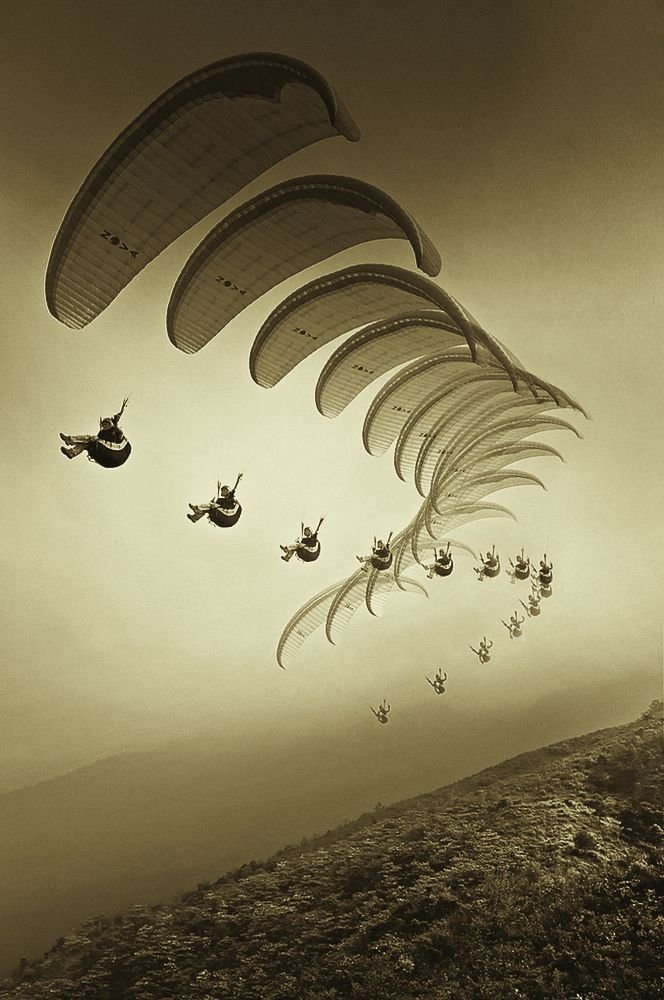
~ Simonoff

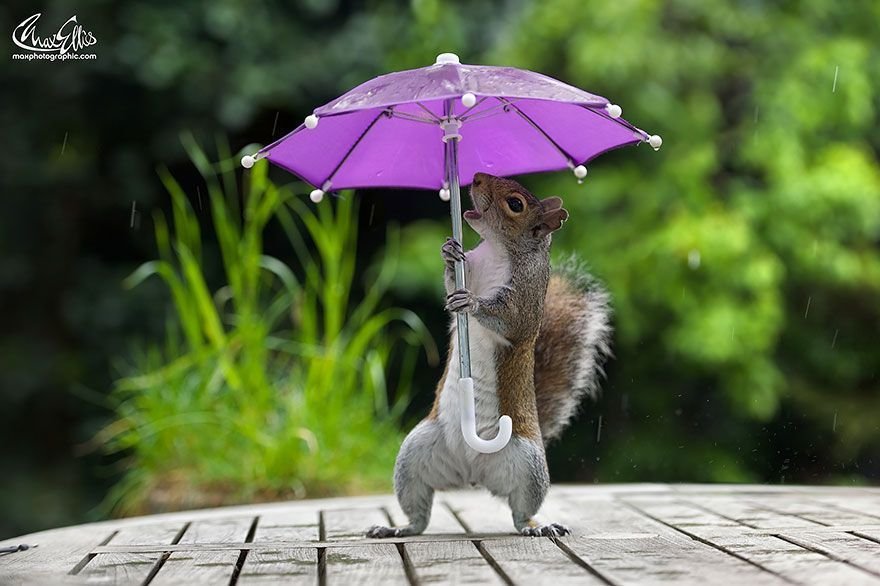
~Max Gropius
One Step at a Time
Whether you are working on one book or three books. Choose the stories you like best, stick with them, finish them, then choose the next ones. You have more than one story or one book in you. -Wrtr
Read Bad Stuff
If you are going to learn from other writers don’t only read the great ones, because if you do that you’ll get so filled with despair and the fear that you’ll never be able to do anywhere near as well as they did that you’ll stop writing. I recommend that you read a lot of bad stuff, too. It’s very encouraging. “Hey, I can do so much better than this.” Read the greatest stuff but read the stuff that isn’t so great, too. Great stuff is very discouraging. ~EDWARD ALBEE
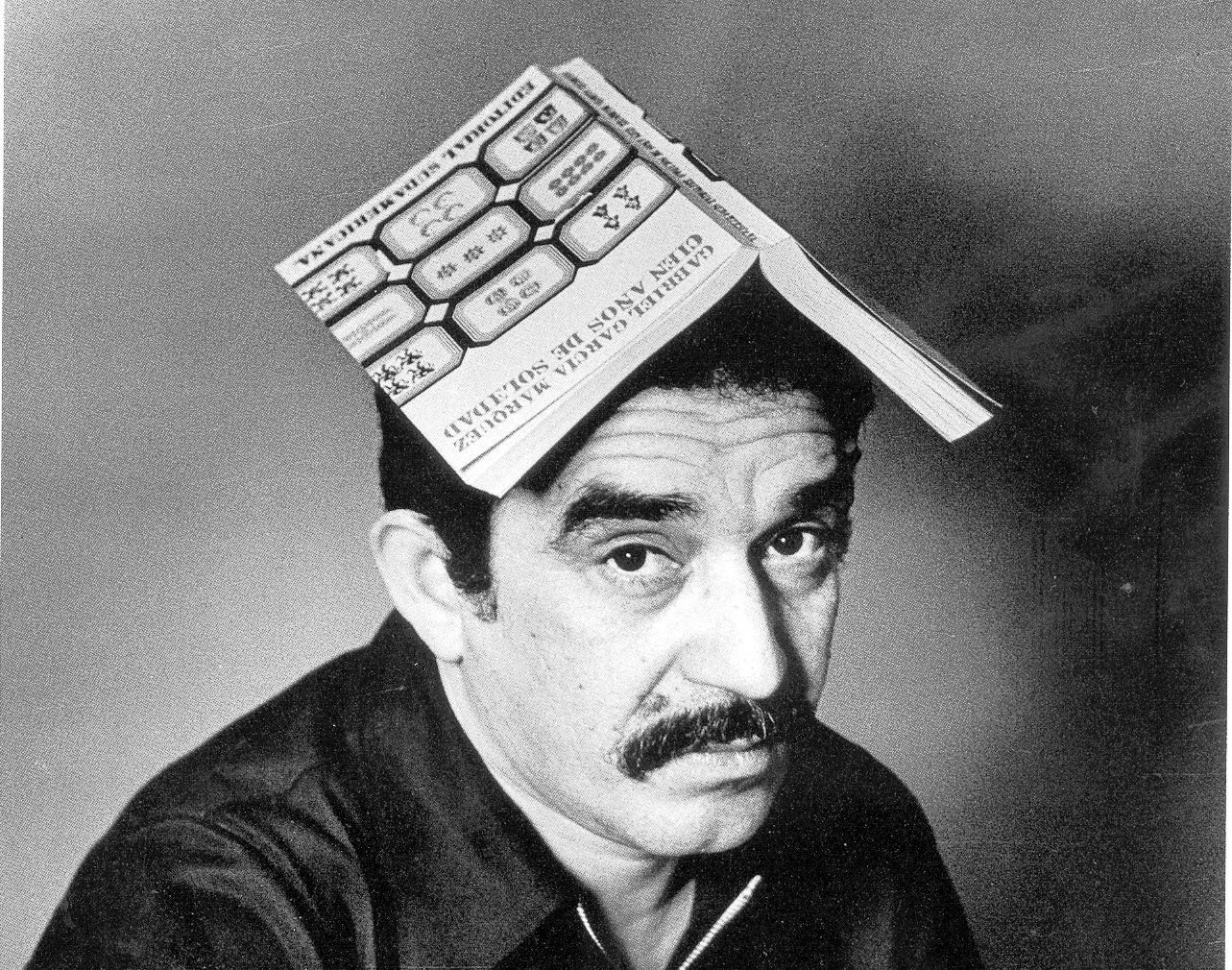
All my life, I’ve been frightened at the moment I sit down to write. ~GABRIEL GARCÍA MÁRQUEZ
Why Do I Write?

I write because I want more than one life; I insist on a wider selection. It’s greed, plain & simple. ~TYLER
ART

~ Friedrich Nietzsche
 ETH AINA'S CREATIVE ISLAND.