The trouble with fiction is that it makes too much sense. Reality never makes sense.
A Huxley
#amwriting
I will write my way into another life.
I will write my way into another life.
#AnnPatchett
#acting #writerslife #screenwriting #Hollywood #book #writing #film
#Art Fictionchick
Verisimilitude Is Essential
In fictional narration, verisimilitude is absolutely essential. A story must be consistent and must contain no event glaringly removed from the usual order of things, unless that event is the main incident, and is approached with the most careful preparation. In real life, odd and erratic things do occasionally happen; but they are out of place in an ordinary story, since fiction is a sort of idealization of the average.
H.P. LOVECRAFT
George Orwell’s Advice for Writers
Never use a metaphor, simile or other figure of speech which you are used to seeing in print.
Never use a long #word where a short one will do.
GEORGE ORWELL
#amwriting #writing #writingtips
FORCE YOURSELF TO WRITE NON STOP
[If you have writer’s block] force yourself to write non-stop for twenty or thirty minutes: no deletions, no erasures, no pauses. If that doesn’t work, take a break. Take a walk. Pack up your writing supplies and go someplace new. Sit in a coffee shop, find a cozy spot in a library, go to a park. If you’re truly desperate, go away for a few days. Take a train to a distant city and write onboard (on Amtrak, you can actually plug in your computer. But coffee is essential: without it, the train will rock you to sleep.) It often helps to do something entirely nonverbal, like making a collage or playing music. And it always helps to understand that writer’s block is a widespread malady. To strengthen your feeling of solidarity with the scribbling classes, watch these movies: The Shining, Misery, Barton Fink, Deconstructing Harry, all of which explore the consequences of writer’s block.
NANCY HATHAWAY
Please yourself
The first person you should think of pleasing, in writing a book, is yourself.
PATRICIA HIGHSMITH
#writing
Finish the Book.
Finish the damn book. Nothing else matters. Stop second-guessing yourself and write it through to the end. You don’t know what you have until you’ve finished it. You don’t know how to fix it until it’s all down on the page.
LAUREN BEUKES
#amwriting #writing #writetip
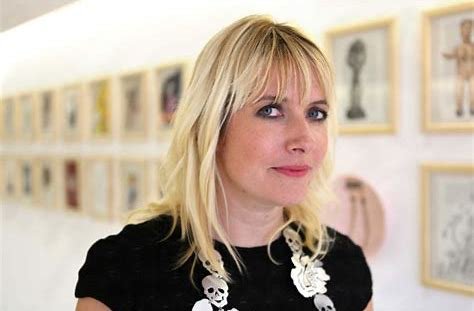
Sally Koslow’s Advice for Writers
Everyone needs deadlines, something I learned as a magazine editor, so seek out a simpatico writing workshop. At the very least it will give you structure, but most likely you’ll also get honest feedback and warm encouragement. Obviously, don’t follow every suggestion you receive because comments will conflict and you’ll wind up with a mess. Use your own judgment. Also, read your work aloud so you hear the cadence—or lack of—as well as unintentional word duplication. Start keeping a list of words you tend to repeat: just, always, really, so, whatever. Print your work out more than once, changing fonts, to trick yourself into reading it as if it is fresh.
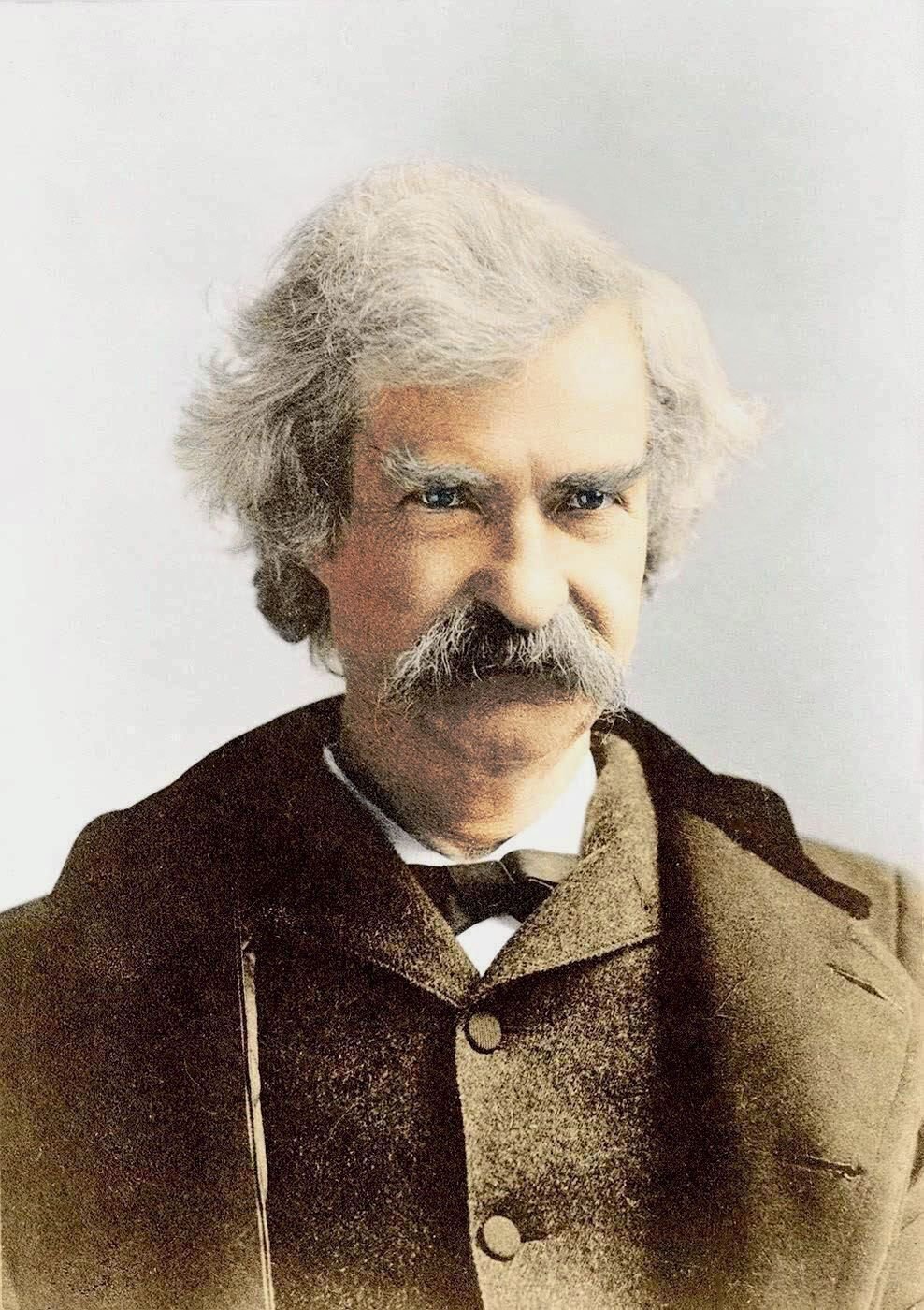
Mark Twain
Don’t say the old lady screamed–bring her on and let her scream.
MARK TWAIN
#amwriting #fiction
Be Writing
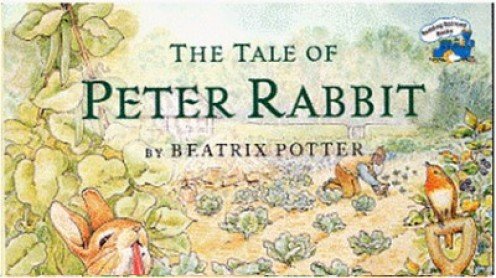
Beatrix Potter self-published the iconic Peter Rabbit in 1901 after so many rejection letters. The rest is history. Take heart self publishers. Be Writing. ~Beatrix even made all the printing blocks for the images in the book.
 ETH AINA'S CREATIVE ISLAND.