A screenwriter is not really a writer; his words do not appear on the screen. What he does is to draft out blueprints that are executed by a team. ~PAUL SCHRADER
You Must Attend to Words
The price of learning to use words is the development of an acute self-consciousness. Nor is it enough to pay attention to words only when you face the task of writing—that is like playing the violin only on the night of the concert. You must attend to words when you read, when you speak, when others speak. Words must become ever present in your waking life, an incessant concern, like color and design if the graphic arts matter to you, or pitch and rhythm if it is music, or speed and form if it is athletics.
JACQUES BARZUN
EMRYS WESTACOTT’S ADVICE TO NEW WRITERS.
1. Write every day. 100 words a day (which is hardly anything) = 70,000 words in two years (which is a book).
2. Be a perfectionist. Work hard in choosing your words, crafting your sentences, and organizing your text with a view to making the finished product as clear, precise, and as engaging as possible.
3. Don’t be a perfectionist. That is, don’t let an awareness of your limitations, or fear of criticism, inhibit you. When I play golf, I know perfectly well that I’m not Tiger Woods. But I can still enjoy playing, can hope to improve, and can occasionally hit a fine shot. I find it helps to adopt the same attitude toward my writing. There are many philosophers who are cleverer than me, scholars who are more erudite than me, and writers who are more creative or stylish than me. But that’s no reason for me not to have a go.
CALM DOWN
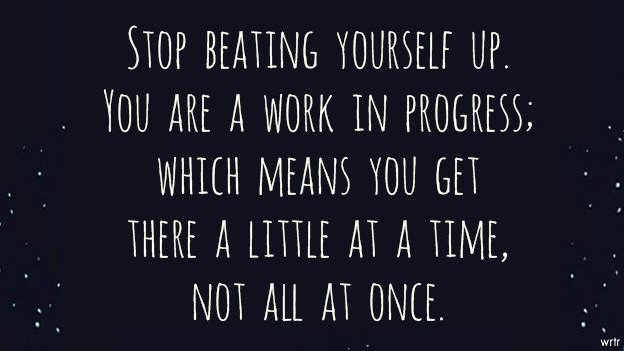
All authors and writers should remember this when they are writing. Give yourself the time and take the rest breaks you need to reach your potential.
WRITING FOR MOST IS AN EVOLUTION.
Writing for most is an evolution. A growth. Rewriting happens. At some point in the process. For everyone. Young or old. Don’t be so stuck in your story, that you don’t change it for the better. -Wrtr
A WRITER
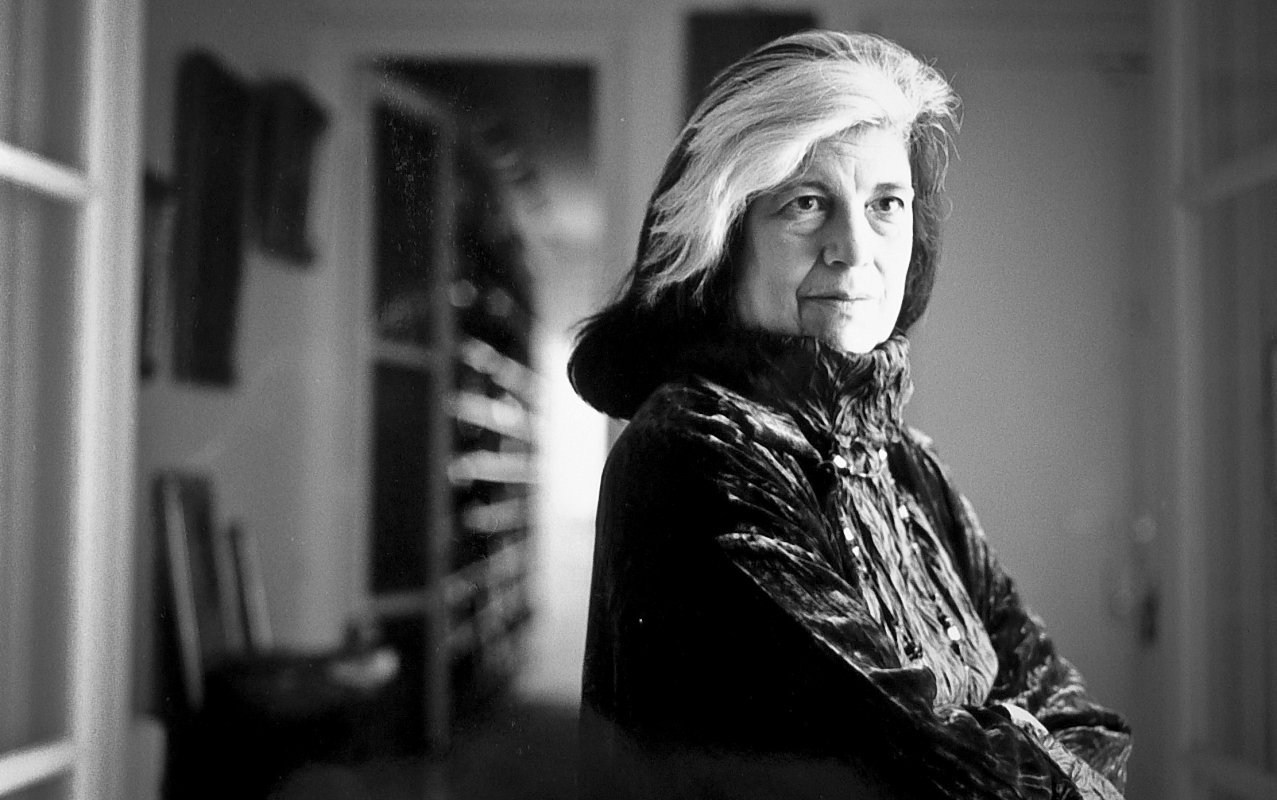
A writer is either a practicing recluse or a delinquent, guilt-ridden one — or both. Usually both. ~SUSAN SONTAG
LEARN
Try to learn something about everything and everything about something.
~THOMAS HARDY
YOUR FIRST WRITING
Your first writing is as delicate as a seedling. Don’t show it to some yahoo who wouldn’t know an orchid from kudzu.
~CAROLYN SEE
amwriting #writing #writetip
Rejection
Every rejection is incremental payment on your dues that in some way will be translated back into your work.
~JAMES LEE BURKE
Don’t Explain How Things Are Linked in Fiction
Never, ever, write “As X happened, Y started to happen” unless there is a direct cause between the two. There’s no need to explain how things are linked in fiction. “As John looked out of the window, Mary started to chop the tomatoes” is always inferior to “John looked out of the window. Mary started to chop the tomatoes.” A simple point with profound ramifications about the writer’s responsibility to the reader’s imagination. ~PHILIP HENSHER
 ETH AINA'S CREATIVE ISLAND.